
What Is Ecommerce?
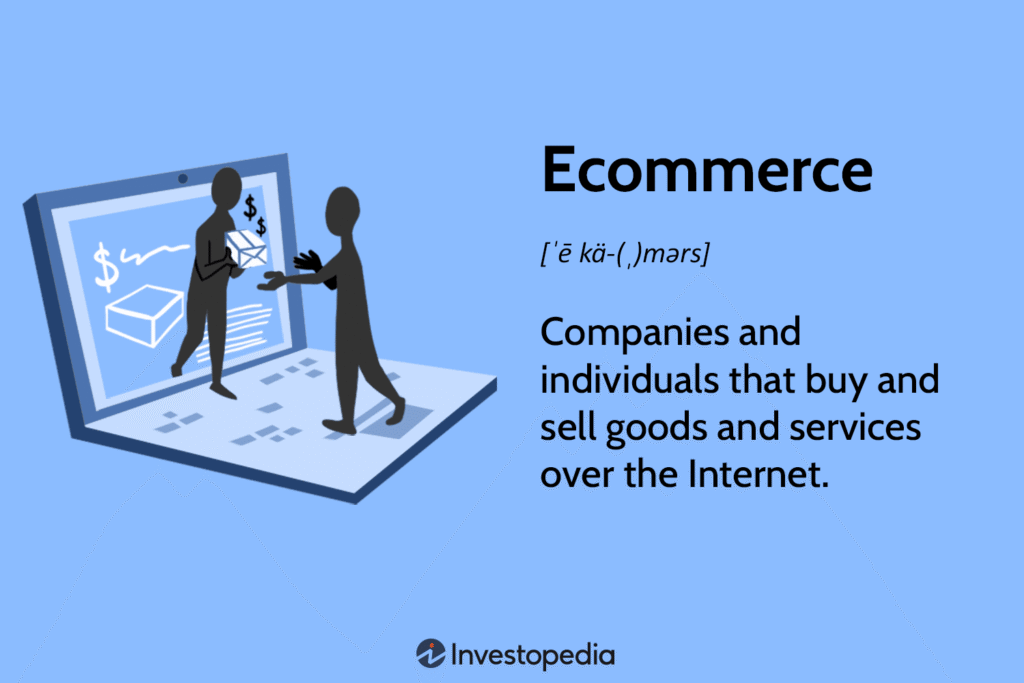
Ecommerce, short for electronic commerce, refers to buying and selling goods or services over the internet. It allows businesses and customers to connect through online platforms without the need for physical stores.
Popular platforms like Amazon and Shopify have made it easier for anyone to start and scale an online business.
Today, ecommerce is one of the fastest-growing industries in the world, transforming how people shop and how businesses operate.
Types of Ecommerce Business Models
1. B2C (Business to Consumer)
This is the most common model where businesses sell directly to customers, such as online retail stores.
2. B2B (Business to Business)
In this model, businesses sell products or services to other businesses, often in bulk.
3. C2C (Consumer to Consumer)
This involves individuals selling products to other individuals through platforms like marketplaces.
4. C2B (Consumer to Business)
Here, individuals offer products or services to companies, such as freelancers or content creators.
Benefits of Ecommerce
1. Global Reach
Ecommerce allows businesses to reach customers worldwide without physical limitations.
2. Lower Operational Costs
Online stores reduce the need for physical shops, lowering rent and staffing costs.
3. 24/7 Availability
Unlike traditional stores, ecommerce websites operate 24/7, increasing sales opportunities.
4. Easy Scalability
Businesses can expand quickly by adding new products or targeting new markets.
How Ecommerce Works
Step 1: Setting Up an Online Store
Businesses create a website or use platforms like Shopify or marketplaces.
Step 2: Listing Products
Products are uploaded with descriptions, images, and pricing.
Step 3: Payment Processing
Customers pay using secure payment gateways such as credit cards, digital wallets, or bank transfers.
Step 4: Order Fulfillment
The seller ships the product or delivers digital goods to the customer.
Essential Components of a Successful Ecommerce Store
User-Friendly Website
A clean, fast, and mobile-friendly design improves user experience.
Secure Payment System
Security builds trust and ensures safe transactions.
Strong Product Descriptions
Clear and detailed descriptions help customers make informed decisions.
Digital Marketing Strategy
SEO, social media, and ads drive traffic and increase sales.
Challenges
High Competition
Many businesses compete in the same niche, making differentiation important.
Customer Trust
New stores must build credibility through reviews and secure policies.
Logistics and Delivery
Efficient shipping and returns management are crucial for customer satisfaction.
Future of Ecommerce
That is expected to grow further with technologies like AI, automation, and personalized shopping experiences. Mobile commerce and social commerce are also becoming dominant trends in the digital marketplace.
Final Thoughts
Ecommerce has revolutionized the way people buy and sell products. With the right strategy, tools, and marketing approach, businesses can achieve global reach and long-term success in the digital economy.
It includes different models such as B2C, B2B, C2C, and C2B, each serving unique business needs. In this article, you will also learn how ecommerce works step-by-step—from setting up an online store and listing products to processing payments and fulfilling orders. We also cover essential components of a successful ecommerce store, including user-friendly design, secure payment systems, strong product descriptions, and digital marketing strategies. Additionally, the guide highlights challenges like competition, customer trust, and logistics while exploring the future of ecommerce with AI and mobile commerce growth. Whether you are a beginner or planning to scale your online business, this complete guide will help you understand the opportunities and strategies needed for success in the digital marketplace.
This refers to the buying and selling of goods and services online, and it has become one of the fastest-growing industries in the world. This guide explains everything you need to know about ecommerce, including how it works, its business models, benefits, and future trends. With the rise of digital platforms like Amazon and Shopify, starting an online business has become easier than ever before. Ecommerce allows businesses to reach global customers, reduce operational costs, and operate 24/7 without a physical store